What to know about recycling funeral flowers in Kensington
Posted on 26/09/2026
Funeral flowers are never just flowers. They carry memory, comfort, and, often, a lot of emotion packed into a single arrangement. If you are trying to work out what to know about recycling funeral flowers in Kensington, you are probably balancing respect for the tribute with a very practical question: what happens next? The good news is that there are thoughtful, dignified ways to reuse, repurpose, or recycle those blooms without losing the meaning behind them.
In Kensington, where homes can be compact and people often want to make careful, low-waste choices, this question comes up more than you might think. Some flowers can be kept, some can be shared, and some are best composted or disposed of gently. Below, you will find a clear guide to the options, the trade-offs, and the simple steps that make the process easier. Truth be told, it is often less complicated than people expect.
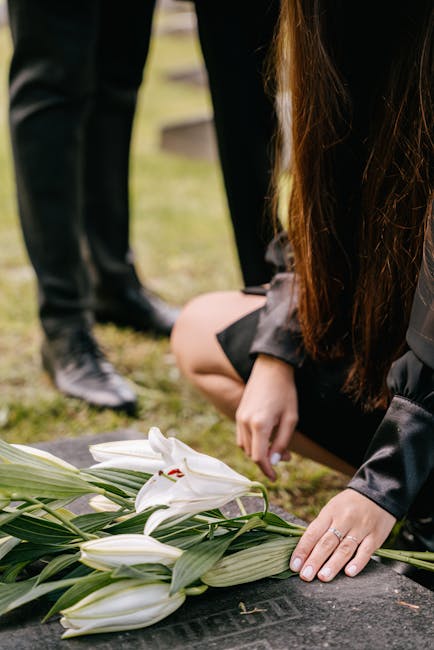
Why What to know about recycling funeral flowers in Kensington Matters
Recycling funeral flowers matters because it helps you handle something delicate in a way that is both respectful and sensible. After a service, families are often left with large sprays, wreaths, sheaves, and bouquets that still look beautiful for a short while. Then reality kicks in. The flowers begin to fade, the house feels crowded, and nobody wants a meaningful tribute to become a burden.
In Kensington, that practical side matters even more. Many households do not have a garden big enough for a full arrangement, and people may be moving between homes, care settings, or community spaces. Recycling funeral flowers can reduce waste, extend their life, and give the tribute a second purpose. It can also make the farewell feel more continuous, as if the flowers are still doing their quiet job a little longer.
There is also an environmental side to this. Flowers are natural, but the materials around them are not always so simple. Plastic wraps, foam bases, tape, wires, and ribbons can create waste if everything is thrown away together. When you sort the arrangement properly, you can separate what can be reused from what should be composted or discarded. Not glamorous, no. Useful, absolutely.
Expert summary: The best approach is usually a mix of reuse, repurposing, and careful disposal. Keep the most meaningful blooms, remove non-compostable materials, and choose the least wasteful option that still feels respectful.
How What to know about recycling funeral flowers in Kensington Works
Recycling funeral flowers is not one single process. It is a series of choices based on the condition of the flowers, the type of arrangement, and what you want to do with them next. Some tributes are ideal for drying and keeping. Others are better donated to a nearby care setting or split into smaller posies. A few are simply ready for composting. It depends.
Here is the basic flow:
- Assess the flowers quickly after the service. Fresh flowers last longer, so the sooner you act, the more options you have.
- Separate reusable blooms from damaged stems. Roses, lilies, chrysanthemums, carnations, and alstroemeria often hold up well, while more delicate petals can wilt fast.
- Remove packaging and supports. Take off cellophane, foam, pins, tape, and any wire frames where safe to do so.
- Decide whether to keep, share, dry, compost, or dispose. A tribute can be divided into several outcomes if needed.
- Store or process the flowers properly. Use cool water for fresh blooms, hang stems upside down if drying, or prepare green waste for composting.
One practical point people miss: funeral arrangements often contain mixed materials. A wreath, for example, may include foam, wooden or wire structures, fresh flowers, and ribbon. You cannot treat the whole thing the same way. That is where a bit of care saves a lot of mess later.
If you are ordering arrangements in future and want something easier to repurpose, you may want to look at styles with fewer non-floral components, such as simpler tributes or elegant sympathy pieces from the funeral flowers collection. That can make the recycling stage much less awkward.
Key Benefits and Practical Advantages
Recycling funeral flowers is not just a sustainability choice. It also has emotional and practical value. Many families find that keeping a few flowers at home provides a gentle reminder of the person they have lost. Others prefer to pass the flowers on so they continue bringing comfort to someone else. Both are valid.
The main advantages include:
- Less waste: You reduce the amount sent to landfill by separating compostable materials and reusing what you can.
- More meaning: A bloom from a service can be turned into a keepsake, a dried bouquet, or a small memorial display.
- Better value: If flowers can be repurposed, you get more from the original arrangement.
- Practical simplicity: Smaller shared posies are easier to manage at home than large tribute pieces.
- Community comfort: Donated flowers can brighten a care home, hospice, church, or family gathering space.
There is also a subtle benefit that does not get mentioned enough. Reworking funeral flowers can help people move through grief in a gentler way. Handling the stems, choosing a vase, or pressing a single rose petal is a small act, but sometimes that is enough for the moment.
Who This Is For and When It Makes Sense
This topic is relevant to anyone handling flowers after a funeral or memorial service in Kensington. That includes immediate family, executors, friends organising the home afterward, venue staff, and sometimes local florists who are asked to help clear arrangements.
It makes sense in these situations:
- You want to keep a tribute but do not have space for the whole arrangement.
- You need to reduce waste after a service and prefer a more sustainable option.
- You would like to share flowers with relatives who could not attend.
- You are arranging flowers for a care home, church, or community room and want to reuse blooms.
- You are simply not ready to throw the flowers away all at once. And fair enough.
It may be less suitable if the flowers are already badly wilted, have been exposed to heat for too long, or contain so much foam and wiring that removal would damage the arrangement. In those cases, composting the organic parts and disposing of the rest can be the cleaner answer.
Who is this for, really? It is for anyone who wants to handle a sensitive task with a bit of grace. That is the point.
Step-by-Step Guidance
If you want a straightforward process, start here. You do not need specialist equipment, just a little patience and a clean workspace.
- Bring the flowers home or to a suitable place quickly. Funeral flowers last longer if they are moved out of heat, direct sunlight, or car interiors as soon as possible. Even an hour or two in warm weather can shorten their life.
- Lay everything out carefully. A kitchen table, utility room, or sheltered surface works well. Keep scissors, secateurs, and a bin bag nearby.
- Sort by condition. Separate blooms that still look fresh from those that are bruised, browning, or shedding petals.
- Remove packaging and structural pieces. Take off cellophane, foam, ribbon, plastic picks, and visible wire where you can do so safely.
- Choose your destination. Keep some flowers for home, share some with family, dry a few stems, and compost the rest if possible.
- Refresh water and trim stems. A diagonal cut helps flowers drink more easily. Use clean vases, and do not overcrowd them.
- Label anything you plan to keep. If several relatives want a piece of the tribute, make tiny note cards or ribbons to divide the flowers fairly.
If you are creating smaller remembrance pieces, you may find it helpful to use mixed stems from a thoughtful arrangement such as sympathy flowers or tribute styles that are already suited to sharing out into separate vases later.
One small but useful trick: if you plan to dry flowers, remove any leaves that would sit below the water line and split thick stems slightly at the base. Small thing, big difference.
Expert Tips for Better Results
Experience counts here. In our experience, the biggest difference comes from acting early and working gently. Funeral flowers are often arranged to look full and formal, not to be easily dismantled, so careful handling matters more than speed.
Choose the right flowers to keep
Roses, chrysanthemums, carnations, lilies, alstroemeria, and many mixed seasonal stems usually hold up well enough for a second life. More fragile petals may not last long, so do not feel you need to save everything. Better to keep three good stems than ten tired ones.
Dry a few sentimental blooms
Hanging stems upside down in a cool, dark, airy place is still one of the simplest drying methods. A wardrobe rail or spare room can work if the air is not too damp. Kensington flats are not always bursting with hanging space, let's face it, so a small bunch is often more realistic than trying to preserve the whole tribute.
Reuse the container, not just the flowers
Vases, baskets, and keepsake jars can be washed and reused. This is often overlooked. A neat container for a single bloom or two can look more dignified than a half-tired arrangement squeezed into something too large.
Keep scent and memory in balance
Some people love the scent of lilies and roses; others find it overwhelming in the days after a funeral. If fragrance feels too strong indoors, move the flowers to a cooler room or split them into smaller groups. You do not need to force yourself to keep the whole thing on display.
Also, a tiny human truth: no one has ever won a medal for trying to preserve every last petal. Do what helps. That is enough.
Common Mistakes to Avoid
There are a few missteps that can make recycling funeral flowers harder than it needs to be. Most are easy to avoid once you know what to look for.
- Leaving the arrangements too long before sorting them. Freshness disappears quickly, especially in heated rooms.
- Trying to save every material. Foam, glue, and wired supports are not always worth the effort to separate.
- Mixing compostables with plastics. If you want to compost, remove ribbon, tape, and wrapping first.
- Forgetting that some flowers can stain. Pollen from lilies, for example, can mark clothing or surfaces if handled carelessly.
- Sharing flowers before checking with close family. It is polite to confirm what should stay with the household and what can be passed on.
- Storing flowers in a hot car or near radiators. They will deteriorate fast. Faster than you expect, honestly.
Another common issue is sentimental overload. People keep the whole arrangement because they do not want to choose. That is understandable, but if it leaves you with a mess later, it may help to decide on a small plan before the flowers begin to wilt.
Tools, Resources and Recommendations
You do not need much to recycle funeral flowers well, but a few basic tools make the job smoother:
- clean scissors or secateurs
- several water-filled vases or jars
- bin bags for non-compostable packaging
- kitchen roll or a clean cloth
- garden scissors if you are cutting stems for composting
- twine or ribbon for binding smaller posies
There are also a few useful types of support to think about. A professional florist can often suggest arrangements that are easier to divide later. If you are ordering with sustainability in mind, the sustainability information on the website is a sensible place to start, especially if you want to understand broader waste-conscious practices.
For future orders, the flower care guidance can help you keep blooms fresh for longer, which matters if the family wants to repurpose them after the service. And if you are choosing a local supplier, the West Kensington florist page can help you explore options near the area.
If your arrangement includes sympathy cards or message tags, keep those aside before any sorting begins. They are small, but they matter. People often want to keep them with the flowers, and that makes sense.
Law, Compliance, Standards, or Best Practice
For most households, recycling funeral flowers is not a legally complex task. You are mainly dealing with practical best practice rather than strict regulation. That said, there are still a few points worth keeping in mind, especially if the flowers are being handled in a workplace, care setting, place of worship, or community venue.
Best practice usually means:
- separating organic material from plastics and non-compostable components
- keeping pathways clear and floors dry while handling arrangements
- using clean tools and containers if flowers will be redistributed
- respecting the wishes of the family before sharing flowers elsewhere
- disposing of waste in line with the venue's normal waste procedure
If flowers have been in a setting where infection control matters, such as a care home or medical facility, follow the local site's own handling rules. A cautious approach is always the right one. Better safe than sorry, as people say for a reason.
One more point: if you are using compost bins or garden waste collections, check local rules before adding foam, wire, or plastic. The flowers may be biodegradable, but the rest often is not.
Options, Methods, or Comparison Table
Not every tribute needs the same treatment. The best option depends on condition, sentiment, and what you have space for. Here is a simple comparison to help.
| Method | Best for | Pros | Limitations |
|---|---|---|---|
| Keep fresh in vases | Flowers still in good condition | Easy, immediate, keeps the tribute visible | Short-lived; needs water changes |
| Dry and preserve | Sentimental stems you want to keep | Long-term memory, low-cost, decorative | Colour fades; not ideal for all flowers |
| Share with family or friends | When several people want a keepsake | Inclusive, thoughtful, easy to divide | Needs coordination and quick action |
| Donate to care settings | Fresh flowers with plenty of life left | Extends usefulness, comforts others | Not always suitable; check acceptance first |
| Compost the stems | Organic waste after sorting | Low waste, practical, tidy | Must remove non-compostable items first |
In many real cases, the answer is a combination. A few stems stay on the mantelpiece, a few go to relatives, and the rest are composted. That mixed approach is often the most realistic one.
Case Study or Real-World Example
Here is a simple real-world style example. A Kensington family receives a large white wreath and two mixed sprays after a funeral service. The arrangement is beautiful, but the household is small and already full of visitors for the week. The family does not want to throw everything away straight after the service.
So they do three things. First, they remove the ribbon, cellophane, and foam base from the wreath. Second, they split the best roses and lilies into two smaller vases for the living room and dining table. Third, they give a handful of remaining stems to a relative who could not attend the service but wanted something to keep at home. The rest is composted where possible.
The result is simple but meaningful. The flowers continue to do their job for another few days, the home feels calmer, and nobody is left with the awkward job of dealing with one enormous, fading arrangement. That is the kind of practical kindness people remember.
If the family had wanted something more transportable from the start, a smaller tribute such as a sympathy posy or memoriam wreath might have been easier to share later on. Sometimes the best recycling starts before the flowers even arrive.
Practical Checklist
Use this quick checklist when you are ready to sort the flowers.
- Decide who should keep the main tribute.
- Move flowers somewhere cool and shaded.
- Gather scissors, vases, bags, and a clean surface.
- Remove plastic wrap, foam, pins, and tape.
- Separate fresh blooms from damaged ones.
- Trim stems before placing them in water.
- Choose which flowers to dry or press.
- Share usable stems with family if appropriate.
- Compost organic waste if your setup allows it.
- Keep cards, tags, and keepsakes safely aside.
Quick reminder: do not wait too long. Even one overnight delay can make a noticeable difference, especially if the flowers are in warm rooms or been moved around a lot.
Get a free quote today and see how much you can save.
Conclusion
Understanding what to know about recycling funeral flowers in Kensington comes down to a few simple principles: move quickly, handle gently, separate the materials, and choose the option that best balances sentiment with practicality. Sometimes that means keeping a single rose in a vase. Sometimes it means sharing blooms between family members. Sometimes it means composting the rest with care.
There is no single right answer. The right answer is the one that feels respectful, realistic, and kind. If you can give the flowers a second life, that is lovely. If you can only save a few stems, that is still enough. Really, it is.
For many people, that small act of sorting and saving becomes part of the goodbye. Quiet, hands-on, a bit messy, but meaningful all the same.
Frequently Asked Questions
Can you recycle funeral flowers after the service?
Yes. You can often reuse, donate, dry, press, or compost funeral flowers after the service, depending on their condition and the materials used in the arrangement.
How long do funeral flowers last after a funeral?
It depends on the flower type and the weather, but many arrangements will still look good for several days if they are moved to cool conditions and given fresh water promptly.
What flowers are easiest to reuse?
Roses, carnations, chrysanthemums, alstroemeria, lilies, and many mixed seasonal stems usually hold up better than very delicate blooms.
Can funeral wreaths be composted?
Only the organic parts should be composted. You need to remove plastic wrap, foam, tape, wire, and ribbon before adding the natural material to compost or green waste.
Is it acceptable to give funeral flowers to family members?
Yes, that is very common, as long as the immediate family or organiser is happy for the flowers to be shared. A quick check first avoids awkwardness.
Can flowers from a funeral be donated to a care home?
Sometimes, yes. It depends on the condition of the flowers and the policy of the care home or similar setting. It is best to ask before dropping anything off.
What should I remove before recycling funeral flowers?
Remove cellophane, foam, ribbon, pins, plastic picks, tape, and any other non-organic pieces before composting or repurposing the flowers.
How do I dry funeral flowers at home?
Hang clean stems upside down in a cool, dry, dark, and airy place. Smaller bunches dry more successfully than large crowded arrangements.
What if the flowers are already wilted?
If the blooms are too far gone to keep, compost the organic parts if possible and dispose of the remaining materials properly. There is no point forcing a rescue job when the flowers have clearly finished their life.
Do I need special equipment to recycle funeral flowers?
No special equipment is needed for most households. Scissors, a few vases, clean water, and bags for waste are usually enough.
Are there any rules I should follow in Kensington?
For home use, this is mainly a matter of best practice rather than strict rules. If you are handling flowers in a venue or care setting, follow their local waste and hygiene guidance, and keep non-compostable materials separate.
What is the most respectful way to handle leftover funeral flowers?
The most respectful approach is the one that keeps the flowers useful for as long as possible, avoids unnecessary waste, and honours the wishes of the family. That might mean keeping a few stems, sharing some, and composting the rest.